-
Review: Carved in Stone by John A. Cowgill
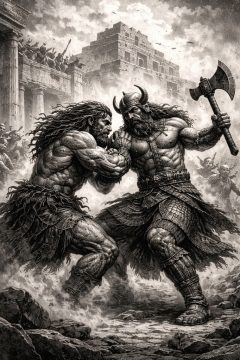
John A. Cowgill’s Carved in Stone: A Narrative Account of the Epic of Gilgamesh is not merely a retelling of humanity’s oldest surviving epic; it is a philosophical meditation disguised as mythic narrative. While many modern adaptations of Gilgamesh aim for literary clarity or academic fidelity, Cowgill’s work pursues a different ambition altogether. He seeks to interpret the epic as a symbolic map of human transformation — psychological, spiritual, and existential — and to situate that map within a sweeping comparative framework that ranges from alchemy and Christian theology to Jungian psychology and world folklore. This is not a neutral translation, nor does it pretend to be. Carved in Stone…
-
Faith, Fear, and the Secret State: The Ideological Roots of Cold War Espionage
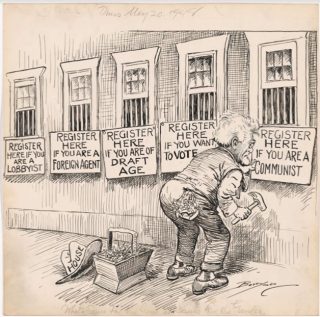
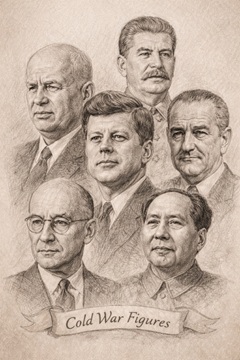
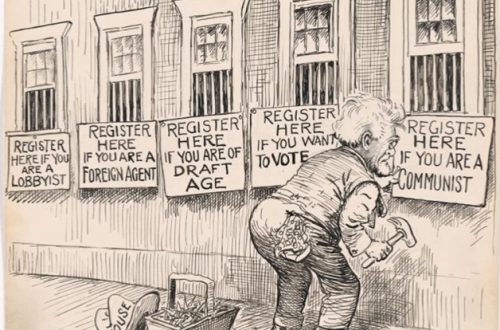
Cold War espionage was not merely a contest of secrets. It was a struggle of belief systems, a conflict in which intelligence services functioned as guardians of ideology as much as collectors of information. From the late 1940s through the collapse of the Soviet Union, espionage was justified, shaped, and sustained by competing worldviews that claimed not only political superiority but moral inevitability. Unlike earlier periods of intelligence gathering—often pragmatic, limited, and tactical—Cold War espionage became systemic, global, and existential. States did not spy simply to gain advantage; they spied because they believed the alternative was ideological annihilation. To understand Cold War espionage, therefore, one must begin not with spies…
-
Shadows and Signals: Espionage in the Cold War World
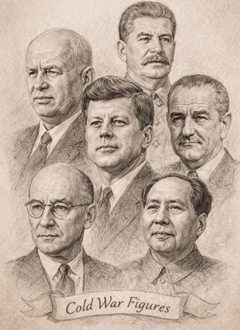
I have always thought of the Cold War less as a single conflict than as a long, anxious conversation conducted in whispers. It was a war without battle lines, without formal declarations, and—most strikingly—without a clear beginning or end. Instead, it unfolded in shadows: in embassy corridors, anonymous apartments, university common rooms, and government offices where files moved quietly from one hand to another. Espionage was not a side story of the Cold War; it was one of its central languages. From the late 1940s until the collapse of the Soviet Union in 1991, intelligence gathering shaped diplomacy, military planning, domestic politics, and public imagination. Espionage influenced how governments perceived…