International history
-
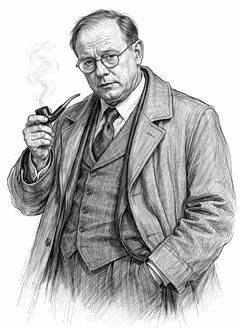
From Trench Coats to Tuxedos: How Cold War Espionage Remade Entertainment Media
Never officially declared, never formally fought, and yet the Cold War may have been the most culturally productive conflict in modern history. No trenches. No mass mobilization. Instead, secrets. Files. Dead drops. Whispered betrayals in cafés and bureaucratic offices. And from those shadows emerged one of the most enduring bodies of entertainment ever produced. Espionage became the Cold War’s most powerful metaphor. The world was divided, trust was scarce, and no one—at least in theory—was exactly who they claimed to be. Writers, filmmakers, and television producers seized on this atmosphere, transforming intelligence work into a new narrative engine. Spy fiction and spy-themed entertainment didn’t just reflect the Cold War; they…
-
Faith, Fear, and the Secret State: The Ideological Roots of Cold War Espionage
Cold War espionage was not merely a contest of secrets. It was a struggle of belief systems, a conflict in which intelligence services functioned as guardians of ideology as much as collectors of information. From the late 1940s through the collapse of the Soviet Union, espionage was justified, shaped, and sustained by competing worldviews that claimed not only political superiority but moral inevitability. Unlike earlier periods of intelligence gathering—often pragmatic, limited, and tactical—Cold War espionage became systemic, global, and existential. States did not spy simply to gain advantage; they spied because they believed the alternative was ideological annihilation. To understand Cold War espionage, therefore, one must begin not with spies…
-
Shadows and Signals: Espionage in the Cold War World
I have always thought of the Cold War less as a single conflict than as a long, anxious conversation conducted in whispers. It was a war without battle lines, without formal declarations, and—most strikingly—without a clear beginning or end. Instead, it unfolded in shadows: in embassy corridors, anonymous apartments, university common rooms, and government offices where files moved quietly from one hand to another. Espionage was not a side story of the Cold War; it was one of its central languages. From the late 1940s until the collapse of the Soviet Union in 1991, intelligence gathering shaped diplomacy, military planning, domestic politics, and public imagination. Espionage influenced how governments perceived…