From Trench Coats to Tuxedos: How Cold War Espionage Remade Entertainment Media
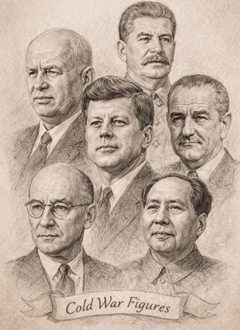
Never officially declared, never formally fought, and yet the Cold War may have been the most culturally productive conflict in modern history. No trenches. No mass mobilization. Instead, secrets. Files. Dead drops. Whispered betrayals in cafés and bureaucratic offices. And from those shadows emerged one of the most enduring bodies of entertainment ever produced.

Espionage became the Cold War’s most powerful metaphor. The world was divided, trust was scarce, and no one—at least in theory—was exactly who they claimed to be. Writers, filmmakers, and television producers seized on this atmosphere, transforming intelligence work into a new narrative engine. Spy fiction and spy-themed entertainment didn’t just reflect the Cold War; they helped ordinary people experience it emotionally.
From glossy novels to grim realism, from cinema screens to living-room televisions, espionage reshaped popular culture. And nowhere is that contrast clearer than in the competing visions of the spy offered by Ian Fleming and John le Carré—and their iconic creations, James Bond and George Smiley.
But those two figures were only the beginning. The Cold War spilled into novels, films, and especially television, where the spy genre became a weekly ritual for millions. To understand why, we need to start with the cultural conditions that made espionage irresistible.
Espionage as the Perfect Cold War Story
The Cold War was, at heart, a conflict about information. Who knew what? Who was lying? Who had turned? Unlike earlier wars, where heroism was visible and violence explicit, Cold War conflict unfolded in classified memos and sealed rooms. That invisibility created anxiety—and anxiety is rocket fuel for storytelling.
Espionage offered a way to dramatize a world that otherwise felt abstract. Nuclear deterrence, ideological rivalry, and proxy wars were hard to visualize. A spy story, by contrast, put a human face on geopolitical fear. One man. One file. One decision that could tip the balance.
Crucially, espionage stories also allowed audiences to explore moral ambiguity. The Cold War wasn’t a simple tale of good versus evil, at least not emotionally. Western democracies claimed moral superiority, but intelligence agencies lied, manipulated, and destroyed lives in the name of security. Spy fiction let audiences wrestle with those contradictions safely, from the comfort of a chair or sofa.
Ian Fleming and the Fantasy of Control
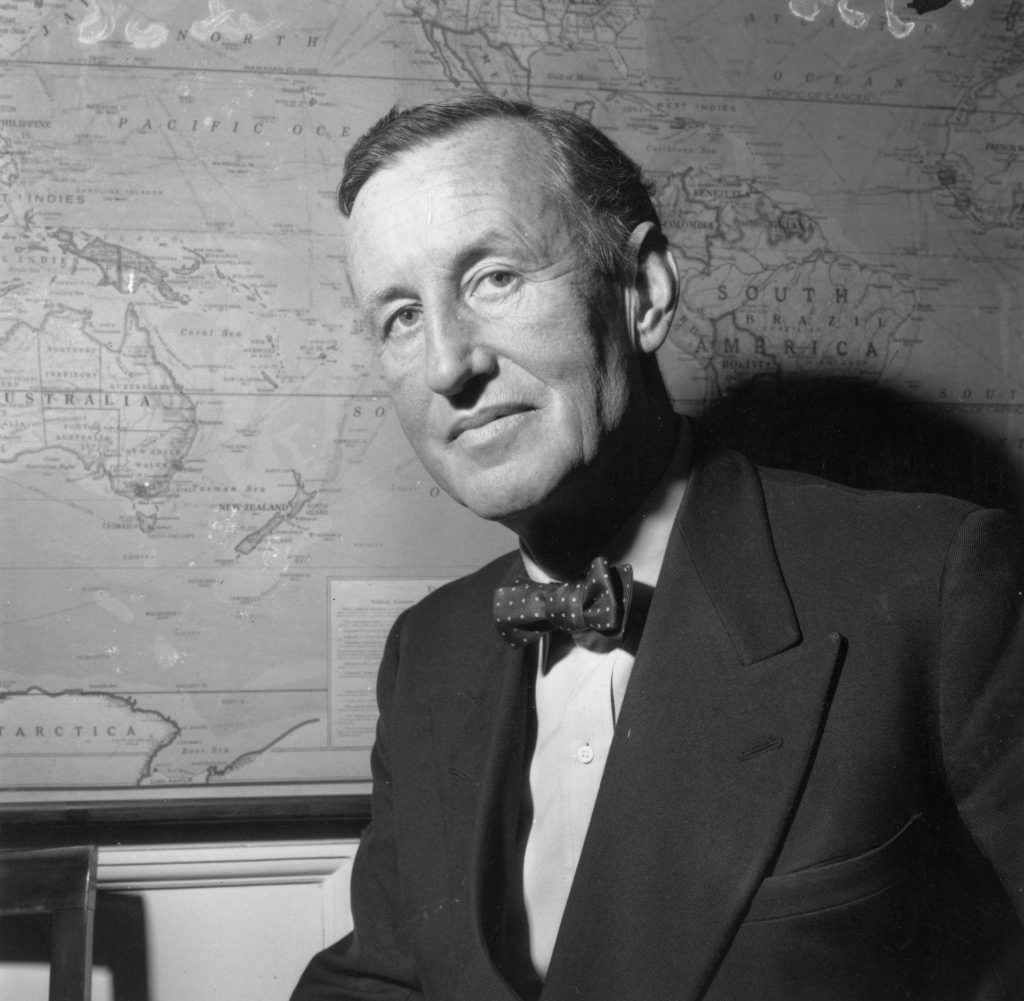
When Ian Fleming introduced James Bond in Casino Royale (1953), he wasn’t trying to write realism. He was writing compensation. Fleming, who had worked in British naval intelligence during World War II, understood bureaucracy and drudgery all too well. Bond was the antidote.
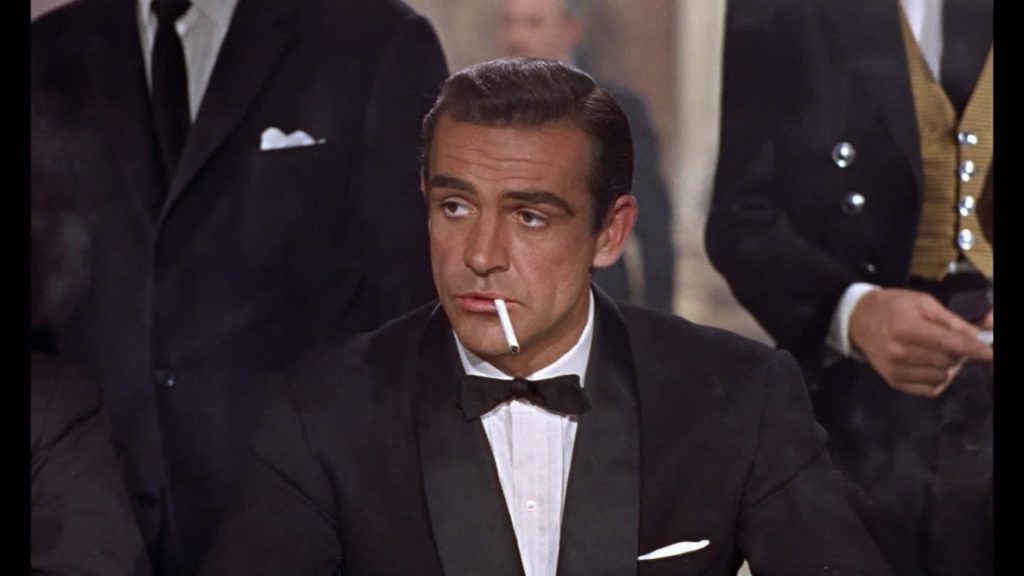
Bond lives in a Cold War world stripped of uncertainty. He knows who the enemy is. Knows what needs to be done. Kills without hesitation, seduces without consequence, and drinks without impairment. Where real intelligence work involved paperwork and doubt, Bond offered decisiveness and style.
This mattered enormously to Cold War audiences. Bond films, beginning with Dr. No (1962), exploded onto screens at a moment when nuclear annihilation felt terrifyingly plausible. Bond reassured viewers that someone was in control—cool, masculine, and armed with better technology than the enemy.
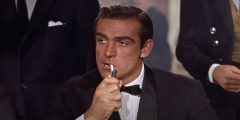
The Bond universe also transformed espionage into spectacle. Gadgets replaced tradecraft. Exotic locations replaced drab offices. Villains were megalomaniacs rather than bureaucrats. This wasn’t accidental; it was aspirational. Bond turned Cold War anxiety into a fantasy of mastery.
And audiences loved it. Bond films became global events, shaping fashion, masculinity, and even geopolitics. The Cold War, through Bond, became glamorous.
John le Carré and the Collapse of Illusions
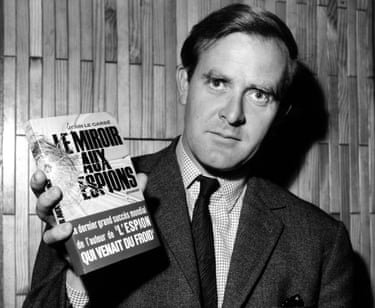
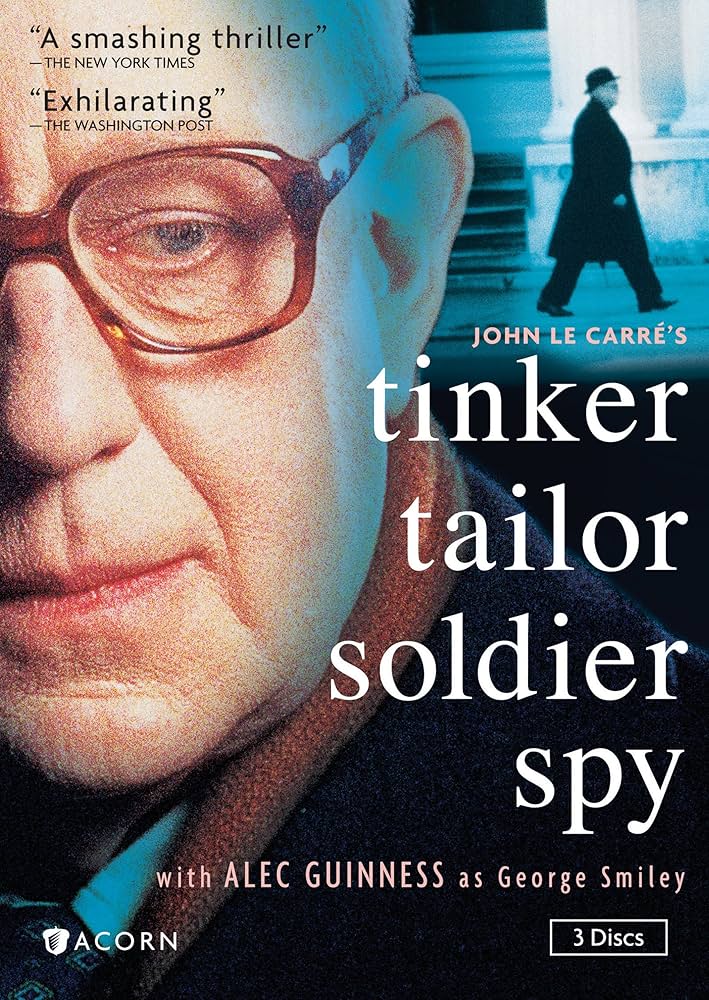
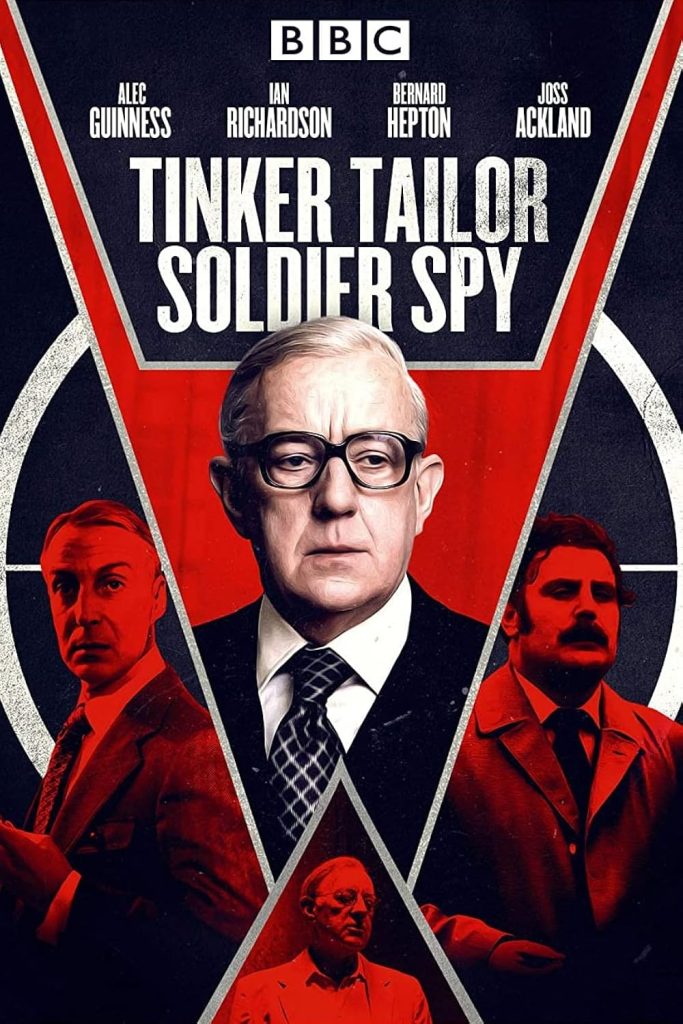
If Fleming offered fantasy, John le Carré delivered disillusionment.
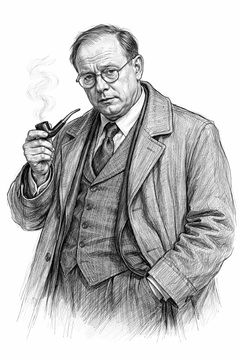
Le Carré (David Cornwell) had actually served in British intelligence, and his experience left him deeply skeptical of heroic narratives. His spies live in a world of institutional rot, moral compromise, and quiet despair. His most famous creation, George Smiley, is everything Bond is not.
Smiley is middle-aged, overweight, poorly dressed, and emotionally wounded. He doesn’t dominate rooms; he listens. He doesn’t seduce; he reflects. His victories are incomplete, often indistinguishable from defeat. When Smiley uncovers traitors or defeats Soviet adversaries, the cost is always personal and ethical.
Le Carré’s novels—The Spy Who Came in from the Cold, Tinker Tailor Soldier Spy, The Honourable Schoolboy—reframed espionage as tragic rather than triumphant. Intelligence work corrodes the people who perform it. Institutions betray their own values. Truth, when uncovered, offers little comfort.
For Cold War audiences growing older, more cynical, and increasingly aware of scandals and failures, le Carré felt true. His work suggested that the Cold War wasn’t a chess match played by geniuses, but a grim endurance test fought by damaged people.
Bond vs. Smiley: Two Emotional Truths
The contrast between Bond and Smiley isn’t just literary—it’s psychological.
Bond represents how people wanted the Cold War to work: clear lines, decisive action, moral clarity. Smiley represents how it often felt: confusing, exhausting, morally compromised. The genre needed both.
In fact, their coexistence explains the durability of Cold War espionage in entertainment media. Different audiences, at different moments, gravitated toward different visions. During moments of confidence or nostalgia, Bond thrived. During periods of doubt and introspection, Smiley returned.
Importantly, neither vision fully displaced the other. Instead, they created a spectrum—from fantasy to realism—that filmmakers and television producers would explore for decades.
The Spy Boom on the Big Screen
Cold War espionage dominated cinema from the early 1960s onward. Alongside Bond, filmmakers experimented with tone and ideology. Some films leaned into paranoia (The Manchurian Candidate), others into procedural realism, and still others into satire.
Even comedies like Dr. Strangelove relied on intelligence themes, mocking the absurd logic of deterrence and secrecy. The spy film became a flexible genre—capable of glamour, dread, humor, and tragedy.
European cinema, especially British productions, played a crucial role here. The BBC adaptations of le Carré’s work in the late 1970s and early 1980s, starring Alec Guinness as Smiley, brought quiet, methodical espionage into living rooms with unprecedented seriousness.
Cinema didn’t just entertain; it trained audiences how to think about secrecy, loyalty, and power.
Television in the 1960s: Espionage Goes Weekly
If film shaped the mythology of Cold War espionage, television normalized it. By the mid-1960s, spy shows were everywhere.
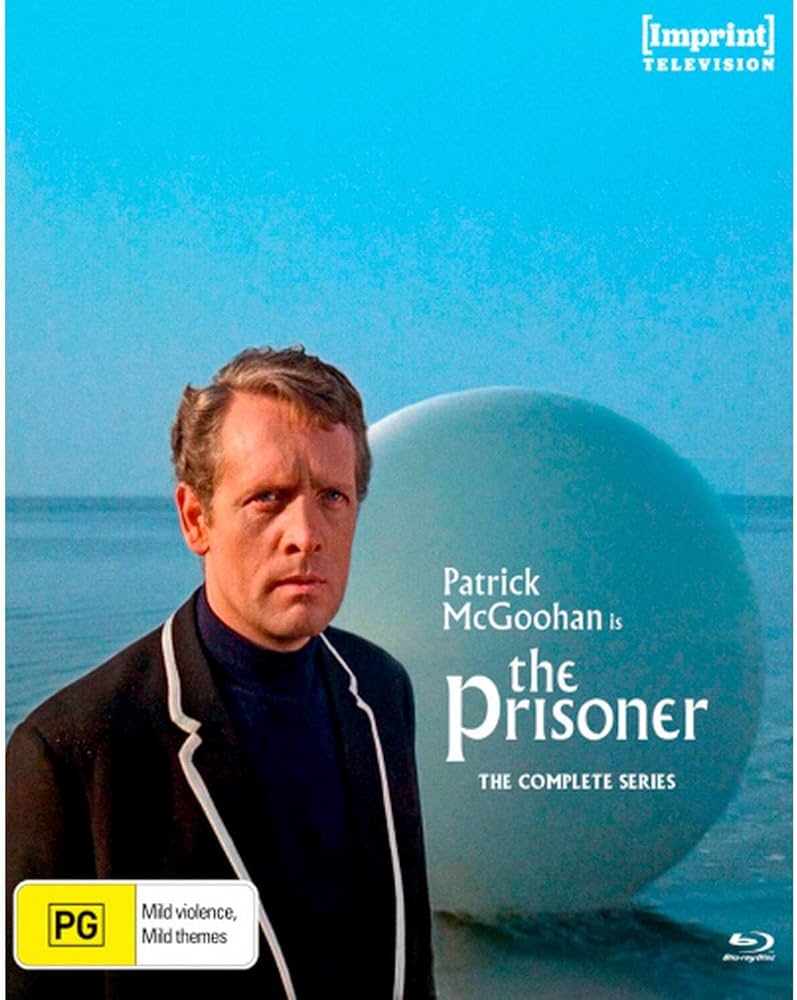
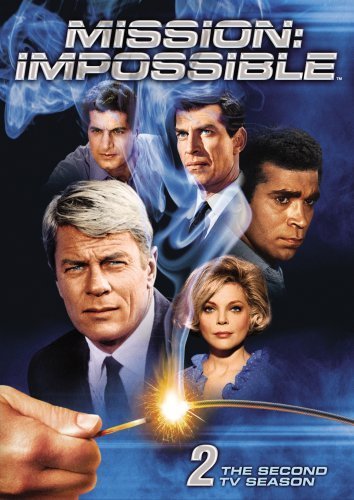
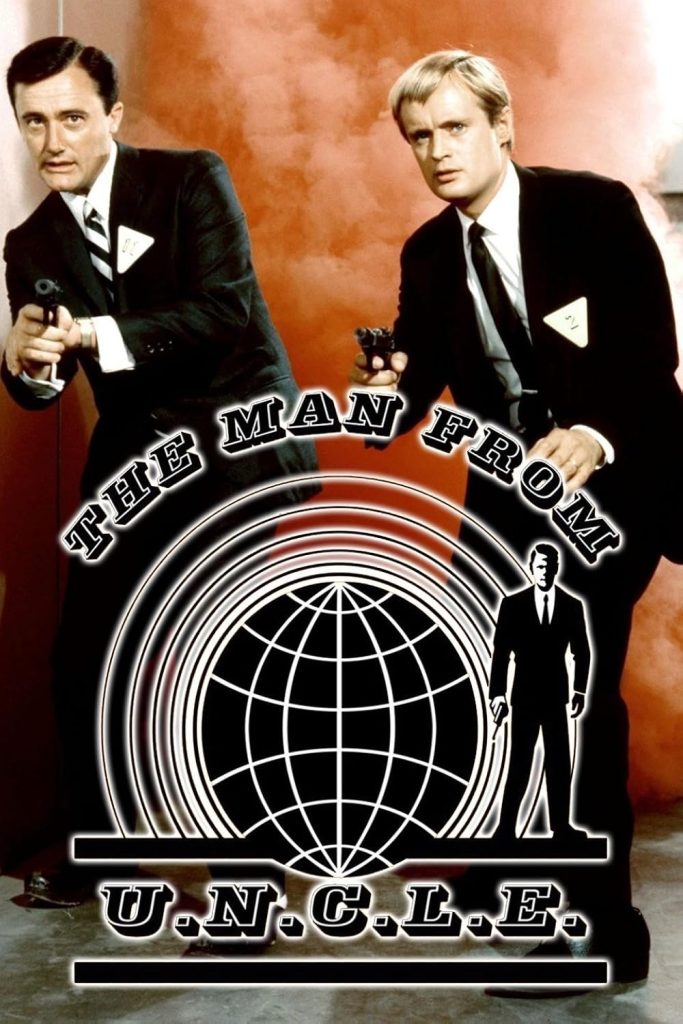
Series like The Man from U.N.C.L.E. transformed espionage into pop entertainment, blending Bond-style glamour with episodic storytelling. Mission: Impossible made espionage procedural, emphasizing teamwork, deception, and planning over individual heroics. Each episode felt like a miniature Cold War operation.
Then there were shows that pushed boundaries. The Prisoner rejected straightforward narratives entirely, turning espionage into a surreal meditation on identity, control, and resistance. It captured the psychological disorientation of living in a world where surveillance felt omnipresent.
Even I Spy, with its globe-trotting adventures and charismatic leads, reflected a shifting cultural mood—one that acknowledged cooperation across racial lines while still reaffirming American confidence.
And no survey of 1960s spy television would be complete without Get Smart, the genre’s most affectionate—and devastating—self-parody. Created by Mel Brooks and Buck Henry, Get Smart took the conventions of Cold War espionage and gleefully dismantled them, replacing suave competence with bureaucratic absurdity. Agent Maxwell Smart (Agent 86) works for CONTROL against the shadowy organization KAOS, but his victories are usually accidental, his gadgets spectacularly impractical, and his agency riddled with red tape. The show landed precisely because audiences already knew the spy genre inside and out: shoe phones, secret headquarters, coded briefings—all ripe for ridicule. Yet the satire was never cynical. Beneath the jokes, Get Smart suggested something oddly comforting: that even in a world of nuclear threats and omnipresent secrecy, human foolishness remained stubbornly intact. By laughing at spies, the show helped domesticate Cold War anxiety, turning existential dread into a weekly half-hour of comic relief without ever letting viewers forget how strange the whole enterprise really was.
Television mattered because it made espionage routine. Every week, viewers absorbed lessons about secrecy, loyalty, and institutional power. The Cold War wasn’t just something happening “out there”; it was part of domestic life.
Espionage, Anxiety, and the American Living Room
These shows didn’t just entertain—they shaped perception. Spy television taught audiences to expect hidden motives, double agents, and sudden reversals. It encouraged skepticism without outright cynicism.
At the same time, the genre reassured viewers that systems still functioned. Plans succeeded. Traitors were exposed. The world didn’t end at the end of each episode. This balance—between fear and reassurance—was crucial to maintaining public emotional equilibrium during a prolonged standoff.
In subtle ways, espionage entertainment also trained viewers to accept surveillance and secrecy as necessary. Intelligence agencies were flawed, yes, but indispensable. That narrative would echo long after the Cold War formally ended.
The Long Shadow of the Cold War Spy
Even after 1991, Cold War espionage never really disappeared from entertainment. It mutated. Bond adapted to new enemies. Le Carré continued to write, his skepticism now directed at globalization and corporate power.
Modern spy stories—from prestige television to political thrillers—still rely on Cold War grammar: moles, handlers, cover identities, and moral ambiguity. The genre taught audiences how to live with uncertainty.
What the Cold War gave entertainment media was not just a setting, but a worldview. A belief that power is hidden, truth is fragile, and appearances deceive.
Why These Stories Still Matter
The enduring appeal of Cold War espionage lies in its honesty about fear. Whether dressed in a tuxedo or a rumpled overcoat, the spy confronts a world where certainty is impossible.
Bond tells us that confidence is possible even in chaos; Smiley tells us that integrity may survive even when institutions fail. Television spies tell us that teamwork and patience matter. Together, they form a cultural toolkit for navigating anxious times.
And perhaps that’s why these stories continue to resonate. The Cold War may be over, but the conditions that produced its espionage culture—uncertainty, rivalry, secrecy—are very much alive.
We still live in a world of hidden levers and quiet wars. We just learned how to watch them first, through stories told in shadow.


You May Also Like
Faith, Fear, and the Secret State: The Ideological Roots of Cold War Espionage