Empire on the Hudson: The Colonial History of New York, 1608–1775
The colonial history of New York is a story of contested space and layered sovereignty. Long before it became a British royal colony—and later a keystone of American independence—the region functioned as a cultural and commercial crossroads shaped by Native diplomacy, Dutch capitalism, and English imperial ambition. From Henry Hudson’s exploration in 1609 to the eve of the American Revolution in 1775, New York developed not as a unified society but as a patchwork of peoples, interests, and loyalties, often in tension with one another.
Unlike colonies founded primarily for religious refuge or agricultural expansion, New York emerged first as a commercial empire in miniature, governed by profit, negotiation, and pragmatism. That legacy would leave a lasting imprint on its political culture—and help explain both its internal divisions and its strategic importance during the revolutionary era.
Indigenous New York Before European Settlement
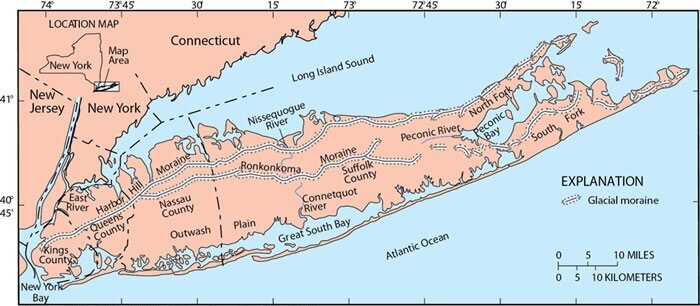
Before European arrival, the region that would become New York was home to a diverse array of Indigenous peoples. Algonquian-speaking groups such as the Lenape occupied the lower Hudson Valley and Long Island, while Iroquoian-speaking nations dominated the interior.

Most powerful among these was the Iroquois Confederacy, a sophisticated political alliance of six nations whose influence stretched across much of the northeastern interior. The Confederacy’s control over trade routes, diplomacy, and warfare made it a decisive force in shaping colonial outcomes.
European colonization in New York would never be a simple story of conquest. It was, from the start, a process of negotiation, alliance, and strategic accommodation.
Dutch Exploration and the Founding of New Netherland, 1608–1624

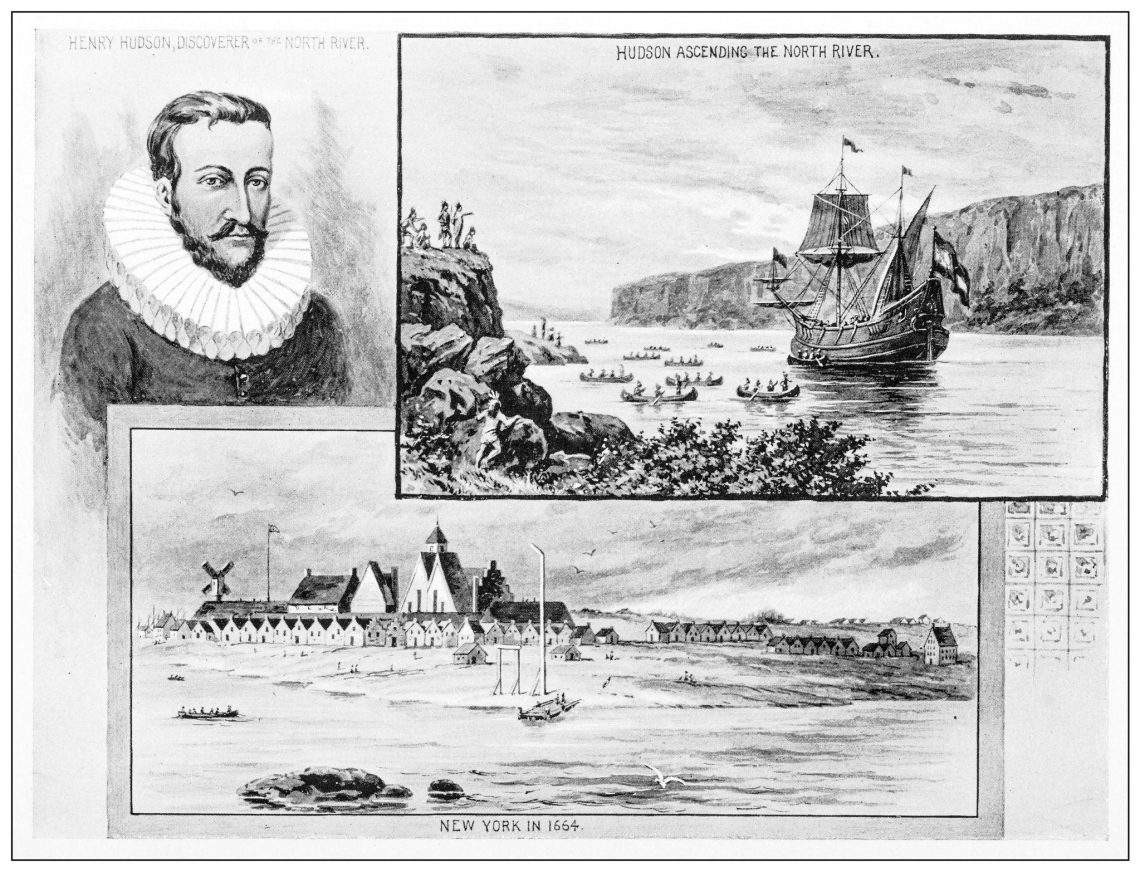
European involvement began with exploration tied directly to commerce. In 1609, English navigator Henry Hudson, sailing for the Dutch, explored the river that now bears his name. Though he failed to find a route to Asia, his voyage revealed something arguably more valuable: a navigable waterway deep into fur-rich territory.
The Dutch quickly recognized the potential. By 1624, the Dutch West India Company established the colony of New Netherland, stretching from present-day Delaware to the upper Hudson Valley.
Unlike English colonies, New Netherland was explicitly a business enterprise. The Dutch West India Company governed the colony, prioritizing trade—especially beaver pelts—over settlement density or religious conformity.
The colony’s administrative center became New Amsterdam, located on the southern tip of Manhattan Island.
New Amsterdam: A Commercial, Multicultural Colony

New Amsterdam quickly developed into one of the most ethnically diverse settlements in colonial North America. Dutch settlers lived alongside Germans, Scandinavians, Jews, Africans (both enslaved and free), and English migrants. This diversity was not ideological; it was pragmatic. The Dutch tolerated difference because commerce required cooperation.

Legend famously holds that Manhattan was purchased for goods worth sixty guilders, a transaction associated with Peter Minuit. While the story oversimplifies a complex exchange and ignores Indigenous concepts of land use, it underscores the Dutch reliance on negotiation rather than outright conquest.
Religious tolerance, relative press freedom, and commercial flexibility made New Amsterdam attractive—but also politically fragile. Its defenses were weak, its population divided, and its loyalty ultimately tied to profits rather than national identity.
The English Conquest and the Birth of New York, 1664
In 1664, geopolitical realities overtook Dutch pragmatism. England, seeking to consolidate its Atlantic holdings, dispatched a fleet to seize New Netherland. Facing overwhelming force and little support from the Company, Dutch officials surrendered without bloodshed.
The colony was renamed New York, in honor of the Duke of York, the future James II. Crucially, the English retained many Dutch institutions—property rights, local courts, and commercial practices—to maintain stability.
This continuity distinguished New York from other English colonies. Rather than impose uniformity, English governors governed through compromise with local elites, many of whom were Dutch in origin.
A Divided Colony: Regions and Rivalries
By the late seventeenth century, colonial New York was effectively three societies in one:
- New York City, a commercial port with diverse populations and strong Atlantic ties
- The Hudson Valley, dominated by large landed estates and patroon families
- The frontier and northern regions, including Albany, deeply entangled with Indigenous diplomacy
These regions often clashed politically. Assemblies struggled to represent such divergent interests, and governors faced constant resistance over taxation, land policy, and military obligations.
Unlike Massachusetts or Virginia, New York never developed a unified colonial identity before the Revolution. Its politics were transactional, factional, and frequently contentious.
New York and the Iroquois: The Covenant Chain
Perhaps New York’s most distinctive feature was its relationship with the Iroquois Confederacy. Through a diplomatic system known as the Covenant Chain, colonial officials cultivated alliances that benefited both sides.
For the Iroquois, alliance with New York offered access to European goods and leverage against rival Indigenous groups and French expansion. For New York, it provided a buffer against New France and secured the lucrative fur trade.
This relationship shaped imperial strategy throughout the eighteenth century. During conflicts such as Queen Anne’s War and the French and Indian War, New York functioned as a hinge colony, linking British military power with Indigenous diplomacy.
Slavery and Social Hierarchy in Colonial New York
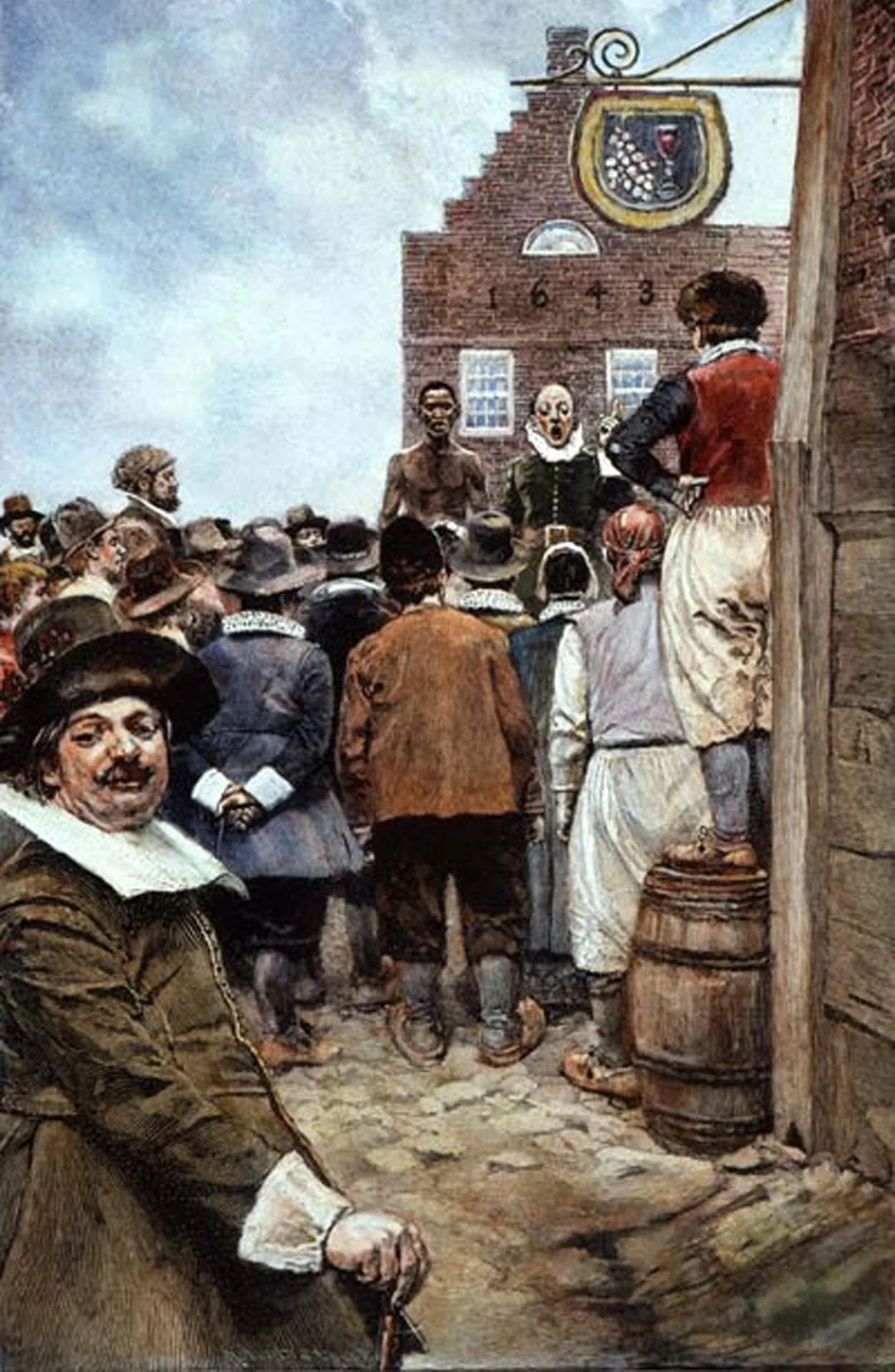
Although often overshadowed by Southern plantation societies, New York was a slaveholding colony. Enslaved Africans formed a significant portion of the population in New York City, where they labored as dockworkers, artisans, domestic servants, and builders.
The African Burial Ground stands as powerful evidence of slavery’s central role in the colony’s development.
Fear of rebellion was constant. Events such as the 1712 slave revolt and the 1741 conspiracy trials exposed deep racial anxieties and led to harsh repression. Slavery reinforced New York’s rigid social hierarchy even as its economy thrived on flexibility and trade.
Imperial Wars and Colonial Strain, 1689–1763
Throughout the eighteenth century, New York was repeatedly drawn into imperial wars. Its location made it strategically indispensable—and perpetually vulnerable.
The French and Indian War (1754–1763) placed extraordinary demands on the colony. New York supplied troops, funds, and logistical support, while enduring raids along its northern frontier.
The war’s outcome—British victory—removed the French threat but also destabilized colonial politics. With the need for Indigenous alliances diminished and imperial debt soaring, Britain turned to tighter colonial control.
From Loyalty to Resistance, 1763–1775

New York’s path to revolution was hesitant and divided. The colony depended heavily on British trade and contained powerful loyalist interests. Yet imperial reforms after 1763 struck at the heart of colonial autonomy.
The Stamp Act, Townshend Duties, and Quartering Act provoked intense opposition, especially in New York City, where resistance groups such as the Sons of Liberty mobilized crowds and intimidated officials.
New York’s response was often pragmatic rather than ideological. Merchants balanced protest with profit. Assemblies resisted while negotiating. The colony did not rush toward independence—but once conflict escalated, its strategic importance made neutrality impossible.
Conclusion: A Colony of Compromise and Conflict
By 1775, New York was a colony shaped less by shared belief than by habitual negotiation. It had learned to balance empire and autonomy, diversity and hierarchy, commerce and coercion.
These traits made New York both indispensable and unstable during the American Revolution. It would become a major battleground—not only militarily, but politically—reflecting the unresolved tensions of its colonial past.
From Dutch traders to British governors, from Indigenous diplomats to enslaved laborers, New York’s colonial history was never simple. It was layered, contested, and profoundly influential—an empire on the Hudson whose legacy would shape the emerging United States.


You May Also Like
Maryland: A Colonial Experiment, 1634–1775
From Lost Colonies to Revolutionary Province: The Colonial History of North Carolina, 1585–1775