From Lost Colonies to Revolutionary Province: The Colonial History of North Carolina, 1585–1775
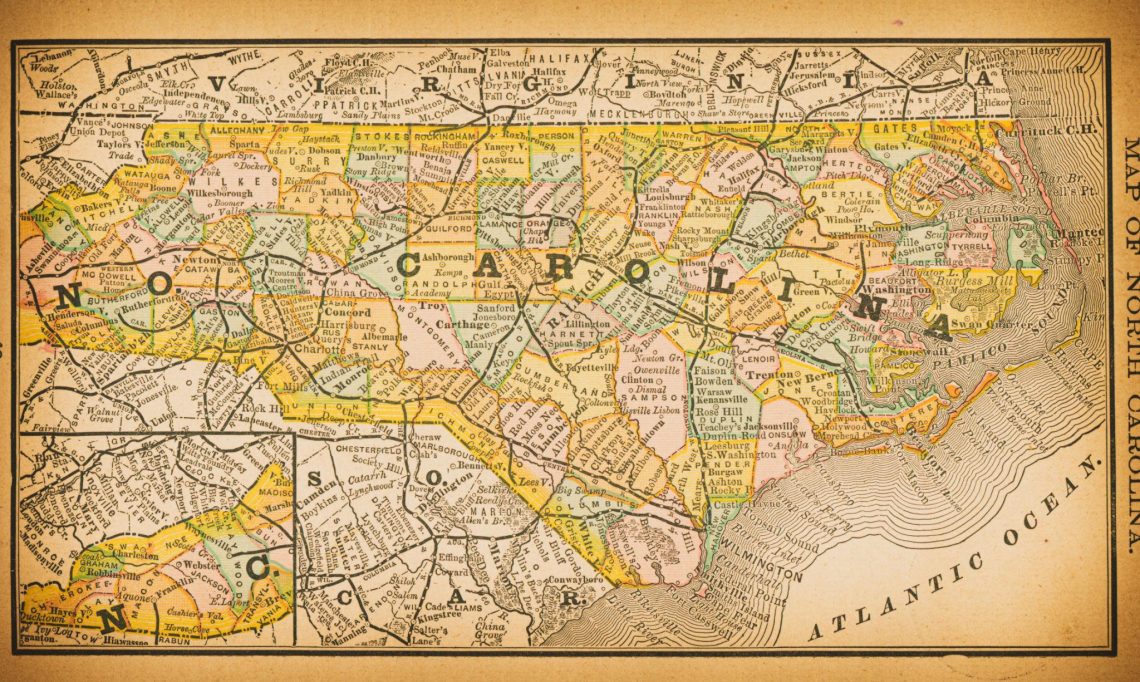
The colonial history of North Carolina is a story of experiment, endurance, resistance, and gradual political awakening. Long overshadowed by Virginia to the north and South Carolina to the south, North Carolina developed along a different trajectory—more decentralized, more rural, and often more defiant of authority. Between the first English settlement attempts in the 1580s and the outbreak of the American Revolution in 1775, the region evolved from a precarious frontier into a self-confident colony increasingly unwilling to submit to imperial control.
Unlike colonies founded for immediate profit or religious conformity, North Carolina emerged almost accidentally, shaped as much by geography and neglect as by planning. Its shallow harbors, scattered settlements, and fiercely independent population made it difficult to govern—and ultimately primed it for rebellion.
The Roanoke Experiments and England’s First American Foothold, 1585–1590

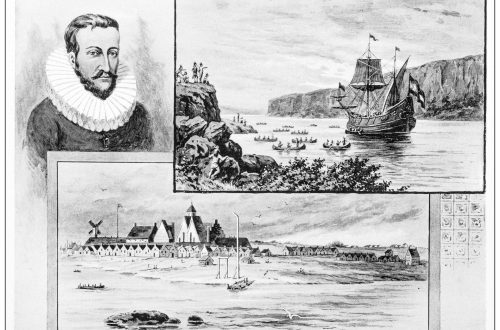
England’s first serious attempt to colonize North America occurred not at Jamestown, but on Roanoke Island. Sponsored by Sir Walter Raleigh, the Roanoke ventures of 1585 and 1587 were part of a broader strategy to challenge Spanish dominance in the Atlantic world.
The first settlement, established in 1585, was largely a military and reconnaissance outpost. Relations with local Indigenous peoples—especially the Croatoan—were initially cooperative but soon deteriorated. Poor planning, supply shortages, and internal conflict plagued the colony, and by 1586 it was abandoned.
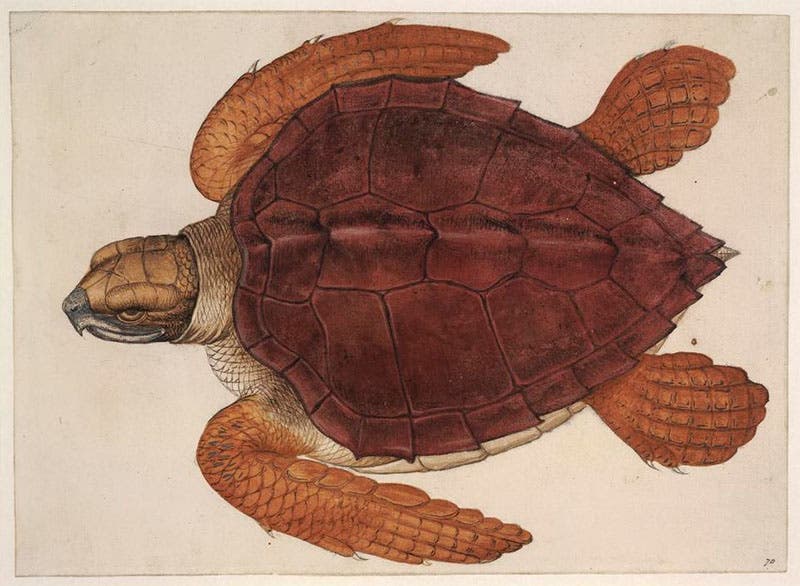
The second attempt, launched in 1587 under the leadership of John White, aimed to create a permanent civilian settlement. White returned to England for supplies, but war with Spain delayed his return for three years. When he finally arrived in 1590, the settlement had vanished. The only clue was the word “CROATOAN” carved into a post.
The fate of the “Lost Colony” remains one of early American history’s enduring mysteries. Yet its significance lies not in its disappearance, but in its demonstration of both the promise and peril of English colonization in the Carolina region.
A Backwater Becomes a Colony: Settlement After 1650
For more than half a century after Roanoke, England made no serious effort to colonize what would become North Carolina. When settlement resumed in the mid-17th century, it came from the north, not across the Atlantic.
Small farmers and land-seekers from Virginia drifted south into the Albemarle Sound region, establishing homesteads along rivers and in swampy lowlands. These settlers were typically poorer than those in Virginia’s Tidewater elite. Many were former indentured servants, dissenting Protestants, or families seeking land beyond the reach of powerful planters.
In 1663, King Charles II granted a vast proprietary charter to eight supporters—known as the Lords Proprietors—creating the Province of Carolina. The territory stretched from modern Virginia to Florida, but governing it as a single unit proved impossible.
North Carolina quickly developed its own identity: less hierarchical, more egalitarian, and deeply suspicious of outside authority.
The Proprietary Experiment and Chronic Instability, 1663–1729
The Lords Proprietors envisioned Carolina as a profitable, orderly colony modeled on aristocratic principles. They even commissioned philosopher John Locke to help draft the Fundamental Constitutions of Carolina, which proposed a rigid social hierarchy.

The reality in North Carolina could not have been more different.
Geography undermined authority. The colony’s shallow coastal waters discouraged large-scale trade, while inland settlements were isolated and hard to reach. The population was dispersed, with few towns and little infrastructure. Proprietary governors were often ineffective, corrupt, or simply ignored.
Political instability became the norm. Disputes over land titles, taxation, and enforcement of English trade laws erupted repeatedly. One of the most dramatic episodes was Culpeper’s Rebellion, when settlers overthrew the proprietary government in protest against trade restrictions and corrupt officials.
Although order was eventually restored, the message was clear: North Carolina’s settlers expected a high degree of autonomy—and were willing to resist authority to get it.
Royal Colony and Reform Efforts, 1729–1750s
In 1729, after decades of dysfunction, the Crown bought out most of the Lords Proprietors, transforming North Carolina into a royal colony. This change brought greater administrative stability and more consistent governance, though tensions remained.

Royal governors such as Gabriel Johnston attempted to encourage economic development and settlement. New immigrants arrived from Scotland, Germany, and Ulster, pushing westward into the Piedmont and Appalachian foothills.
The colony’s economy diversified. Tobacco remained important, but naval stores—tar, pitch, and turpentine—became major exports, especially from the longleaf pine forests. Small-scale farming dominated, and slavery, while present, was less central than in South Carolina or Virginia.
Yet the colony remained divided: coastal elites dominated the assembly, while inland settlers felt underrepresented and overtaxed.
Frontier Conflict and the Regulator Movement, 1760s–1771

By the 1760s, resentment in the western counties had reached a boiling point. Farmers accused colonial officials of excessive fees, unfair taxation, and land fraud. These grievances coalesced into the Regulator Movement, a populist uprising demanding political reform.
The Regulators were not revolutionaries in the modern sense; they sought fair government, not independence. But their challenge to authority alarmed colonial leaders.
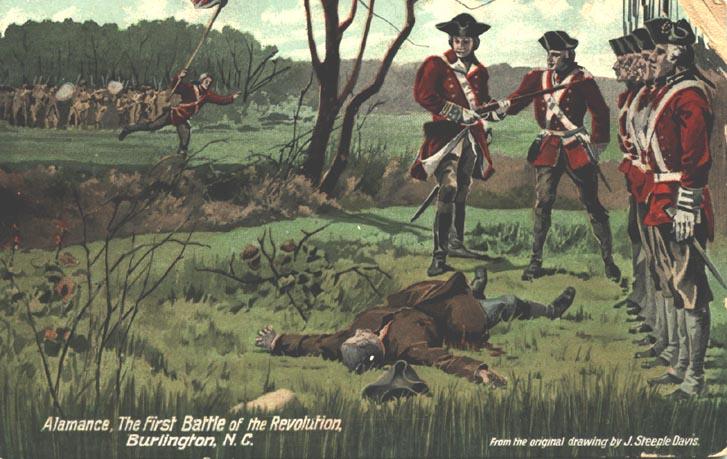
In 1771, Royal Governor William Tryon confronted the Regulators at the Battle of Alamance. The poorly armed farmers were defeated, and the movement collapsed.
Though a failure in the short term, the Regulator uprising left a lasting legacy. It exposed deep social divisions and demonstrated how readily North Carolinians would organize against perceived injustice—a lesson not lost on either side as imperial tensions mounted.
North Carolina and the Road to Revolution, 1765–1775
After the Seven Years’ War, Britain attempted to tighten control over its American colonies. New taxes and regulations—including the Stamp Act and Townshend duties—were deeply unpopular in North Carolina.
Resistance took familiar forms: petitions, boycotts, and the formation of local committees. The colony’s political culture, long shaped by weak authority and local self-rule, made it especially receptive to revolutionary ideas.
In 1774 and 1775, extralegal provincial congresses began to replace royal institutions. When fighting broke out in Massachusetts, North Carolina was ready. By the summer of 1775, royal authority had effectively collapsed, and Governor Josiah Martin fled the colony.
North Carolina would soon distinguish itself further, issuing the Halifax Resolves in 1776—the first official call by a colony for complete independence.
Conclusion: A Colony Forged by Independence
From the mystery of Roanoke to the collapse of royal government nearly two centuries later, colonial North Carolina followed a distinctive path. It was a place where authority was weak, communities were strong, and resistance was a recurring theme.
Its settlers learned early to rely on themselves, to distrust distant rulers, and to demand fairness in governance. These habits—born of geography, neglect, and struggle—help explain why North Carolina moved decisively toward revolution once the imperial system showed signs of strain.
By 1775, the colony was no longer a peripheral backwater. It was a politically awakened society, ready to shape its own destiny in a new nation.


You May Also Like
The History of the Virginia Colony, 1607–1775
The Colonial History of Massachusetts, 1620–1775